TL;DR: AI is changing digital marketing in 2026 faster than any technology shift before it. From writing content and running Google Ads to predicting which customer buys next, artificial intelligence now handles work that used to take entire teams. Whether you are a marketer, a student, or a business owner, understanding how AI tools work is no longer optional. This guide covers every major area AI has disrupted, which tools are leading the change, and how you can build these skills before the market moves on without you.
Three years ago, the average digital marketer spent hours writing a single blog post, manually adjusting ad bids, and guessing which audience segment to target next. In 2026, AI completes those tasks in minutes. The question is no longer whether AI will change digital marketing. The question is whether you will know how to use it when your next client or employer asks.
This shift is not a future prediction. According to Salesforce’s State of Marketing report, 75% of high-performing marketing teams are already using AI tools as part of their regular workflow. The gap between teams that use AI and teams that do not is widening every quarter.
What Is AI’s Role in Digital Marketing in 2026?
AI’s role in digital marketing in 2026 is to automate repetitive tasks, process data at scale, and generate content, predictions, and decisions that would take human teams significantly longer to produce. AI does not replace strategic thinking. It removes the low-value, high-volume work so marketers can focus on strategy, creativity, and client relationships.
The global AI in marketing market is projected to reach USD 107.5 billion by 2028, growing at a compound annual rate of over 28%. This is not a niche trend. It is the infrastructure on which modern marketing campaigns are now built.
Here is how AI fits into each major function of digital marketing:
| Marketing Function | What AI Does | Outcome for Marketers |
|---|---|---|
| Content creation | Drafts blog posts, social captions, email copy, ad headlines | 10× faster first drafts; human edits for brand voice |
| SEO | Keyword clustering, content gap analysis, on-page recommendations | Better topical coverage with less manual research |
| Paid advertising | Automated bid strategies, audience targeting, creative testing | Lower CPCs, higher ROAS, less manual campaign management |
| Email marketing | Subject line generation, send-time optimization, segmentation | Higher open rates and click-through rates |
| Analytics and reporting | Predictive analytics, anomaly detection, automated dashboards | Faster insights; fewer hours on manual reporting |
| Social media | Post scheduling, sentiment analysis, comment moderation | Consistent presence with less daily manual work |
| Customer support | AI chatbots, WhatsApp automation, FAQ handling | 24/7 lead response without a full support team |
How Is AI Changing SEO and Content Creation?
AI is changing SEO and content creation by making it possible for a single marketer to produce research-backed, structured content at the volume that previously required a full editorial team. Tools like ChatGPT, Gemini, Claude, and Perplexity now draft content outlines, write first drafts, suggest internal links, and generate FAQ schema in minutes. The human role has shifted from writing every sentence to directing the AI, editing for accuracy, and injecting first-hand experience that no AI can fabricate.
Google’s AI Overviews, launched in 2024 and expanded globally in 2025, now appear at the top of search results for millions of informational queries. This means content that answers questions directly and precisely is more valuable than ever. The brands that understand how AI selects content to feature in AI Overviews are already capturing clicks their competitors are losing.
The biggest AI-driven changes in SEO right now are:
- Entity-based optimisation: Google’s AI understands topics and relationships, not just keywords. Content must cover a subject completely, not just repeat a keyword.
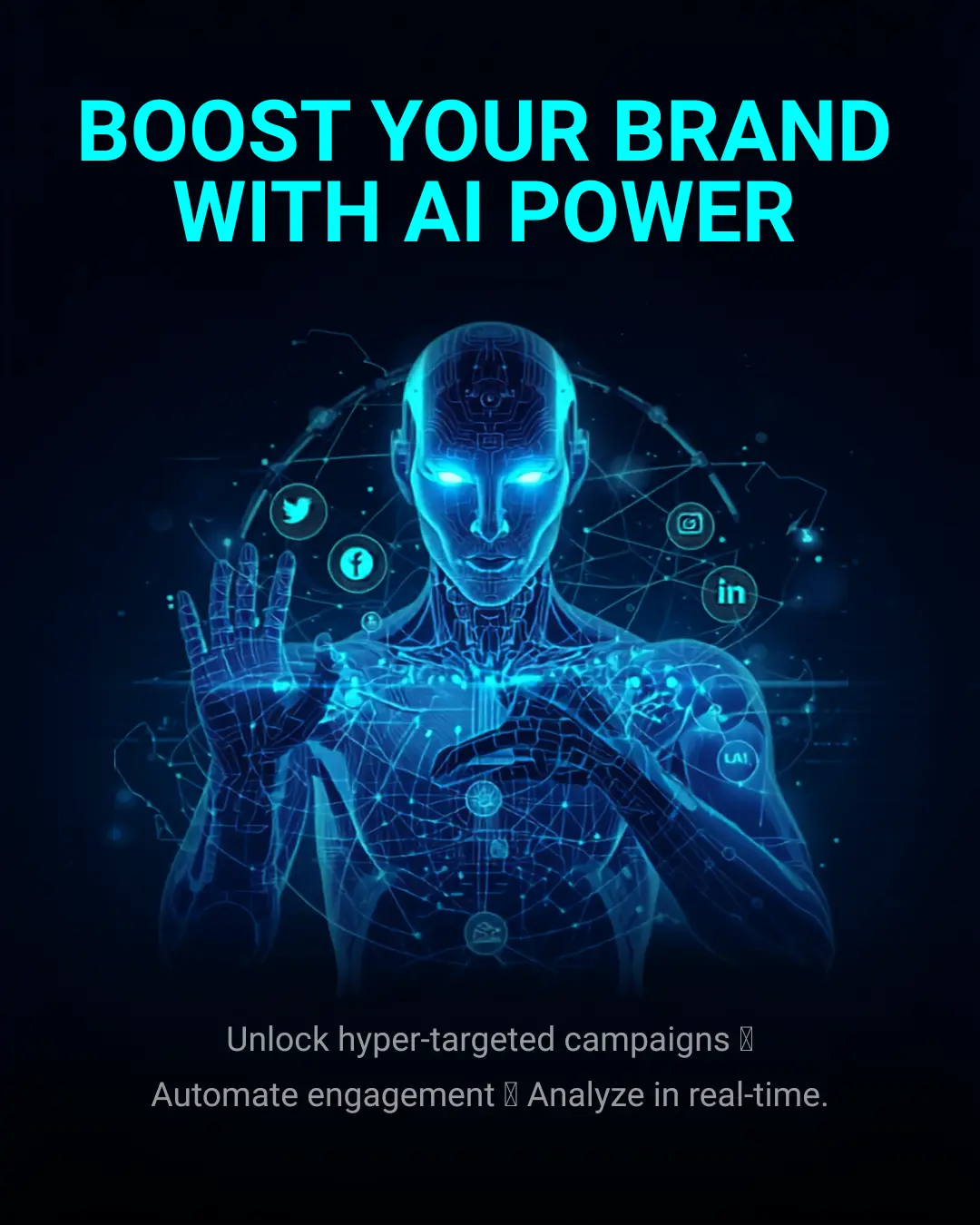
- Answer-capsule formatting: Self-contained 30–60-word direct answers at the start of each section make content citation-ready for AI search engines like Perplexity, ChatGPT Search, and Google AI Overviews.
- AI-assisted keyword clustering: Tools like Ahrefs, SEMrush, and SurferSEO now use machine learning to group thousands of keywords into topical clusters automatically.
- E-E-A-T signals: Google’s emphasis on Experience, Expertise, Authoritativeness, and Trustworthiness means AI-generated content without human review and expert input is increasingly likely to underperform in competitive SERPs.
To understand how to use AI tools like ChatGPT specifically for SEO strategy, the guide on using ChatGPT prompts to decode competitor SEO strategies covers practical techniques you can apply immediately.
AI Tools Every Digital Marketer Is Using in 2026
The AI tool landscape for marketers has stabilised around a core set of platforms that each specialist area now relies on. The marketer who knows which tool to use for which job is far more productive than one who knows only one platform.
| Category | Top AI Tools | What Marketers Use Them For |
|---|---|---|
| Content writing | ChatGPT, Claude, Gemini, Jasper | Blog drafts, social captions, ad copy, email sequences |
| SEO and keyword research | Ahrefs AI, SurferSEO, SEMrush Copilot | Keyword clustering, content briefs, on-page scoring |
| Image and creative generation | Canva AI, Adobe Firefly, DALL·E 3, Midjourney | Social media graphics, ad creatives, blog images |
| Video content | Pictory, Synthesia, Runway, InVideo AI | Short-form video from scripts, AI presenters, ad videos |
| Email marketing | Mailchimp AI, Klaviyo, ActiveCampaign | Subject line testing, audience segmentation, send-time optimisation |
| Paid ads automation | Google Performance Max, Meta Advantage+, Microsoft Smart Campaigns | Automated bidding, audience expansion, creative testing |
| Chatbots and lead gen | ManyChat, Tidio, WhatsApp Business AI | Lead qualification, 24/7 query handling, appointment booking |
| Analytics | Google Analytics 4 (AI Insights), Hotjar AI, Looker Studio AI | Traffic anomalies, user behaviour analysis, report generation |
The ChatGPT TL;DR prompt guide is a practical starting point for marketers who are new to AI-assisted content workflows. Knowing how to write effective prompts is now as fundamental a skill as knowing how to write a Google Ads headline.
Read the full ChatGPT TL;DR prompt guide for a step-by-step framework that any digital marketer can use from day one.
How AI Is Transforming Paid Advertising and Targeting
AI is transforming paid advertising by taking over the bid management, audience targeting, and creative selection decisions that previously required daily manual input from a campaign manager. Google’s Performance Max campaigns and Meta’s Advantage+ Shopping Campaigns both use machine learning to find the highest-converting placements, audiences, and creatives automatically. The result is that a trained digital marketer in 2026 spends less time adjusting bids and more time on strategy, creative direction, and budget decisions.
AI-driven paid advertising delivers measurable results. Google reports that advertisers using Performance Max see an average of 18% more conversions at a similar cost per action compared to standard campaigns. Meta’s Advantage+ campaigns have shown ROAS improvements of 22% on average for e-commerce advertisers who give the AI broad audience parameters.
Ready to start?
Learn Digital Marketing with Live Projects at Digital Vishnu Academy, Coimbatore
SEO, Google Ads, Social Media, AI Tools and more. Job-ready in 3 months.
The practical implication: Digital marketers who understand how to set up AI-driven campaigns correctly, feed the algorithm the right signals, and interpret the results accurately are already commanding higher salaries and better freelance rates. This is one reason why learning Google Ads and Meta Ads with their AI-native features is now a core part of every serious digital marketing course in Coimbatore and beyond.
AI-Powered Personalisation: Why One-Size-Fits-All Marketing Is Dead
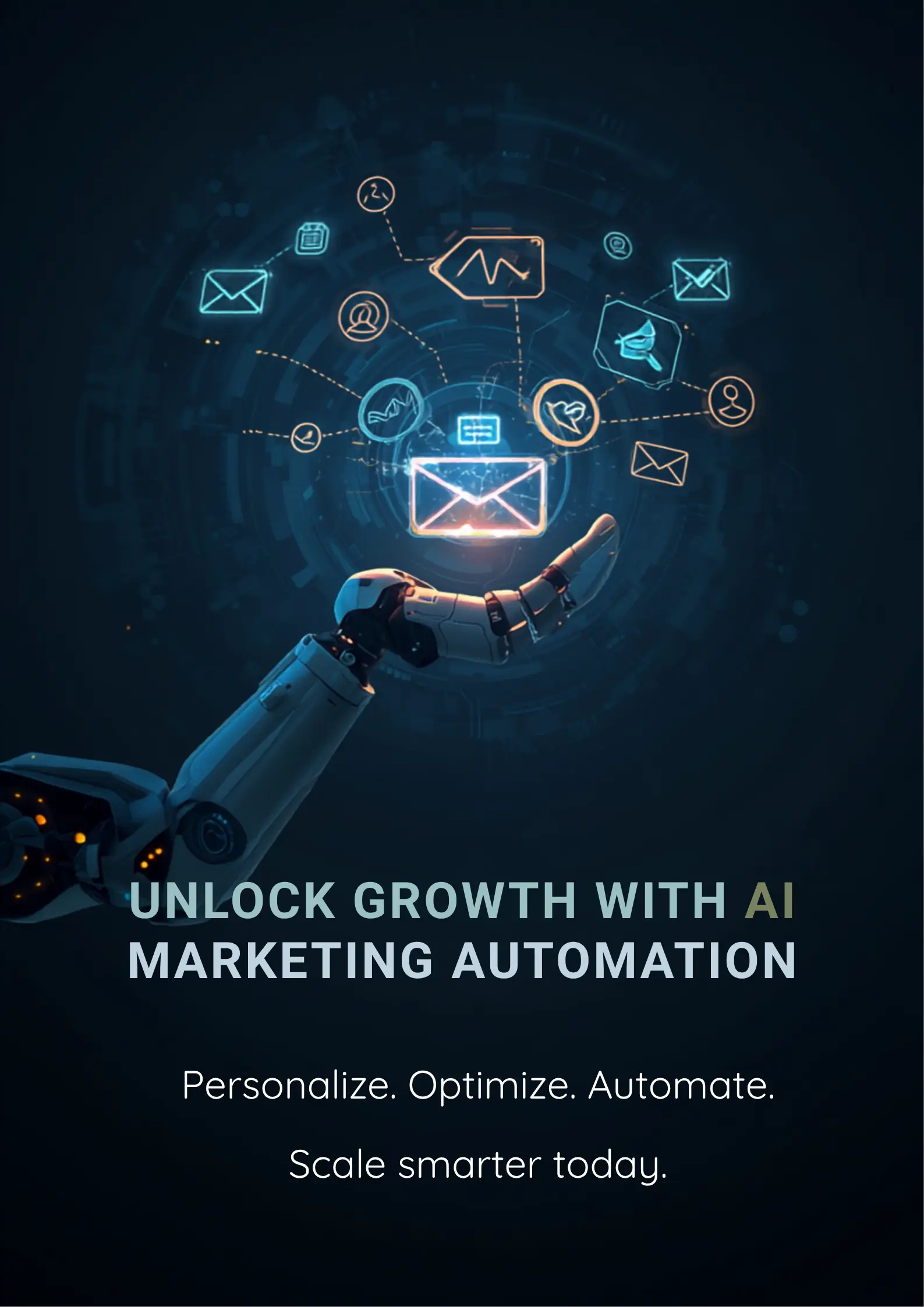
Personalisation at scale was once only possible for companies with enterprise-level budgets and data science teams. AI has changed that. In 2026, even a small business in Coimbatore running an email list of 2,000 contacts can send genuinely personalised messages based on each subscriber’s behaviour, purchase history, and browsing patterns.
AI personalisation works across every channel:
- Email: AI segments lists automatically based on engagement, purchase intent, and lifecycle stage. Subject lines are tested and selected by the algorithm in real time.
- Website: Tools like Optimizely and Adobe Target use AI to show different page versions to different visitors based on their intent signals.
- Social media ads: Meta’s Advantage+ system builds lookalike audiences and tests creatives automatically, showing each user the version most likely to convert for their specific behaviour pattern.
- WhatsApp marketing: AI-powered WhatsApp bots qualify leads 24/7, collect contact details, answer FAQs, and book appointments without any human intervention.
According to McKinsey’s personalisation research, companies that excel at personalisation generate 40% more revenue than average players in their category. AI is the technology that makes this possible without a team of 50 data engineers.
Is AI a Threat to Digital Marketing Jobs?
AI is not a threat to digital marketing jobs. AI is a threat to digital marketers who refuse to learn AI tools. The job market in 2026 is not replacing digital marketers with AI. It is replacing digital marketers who do not use AI with digital marketers who do.
The roles that AI is eliminating are narrow, task-based functions: manual bid adjustments, bulk content production with no quality layer, basic social media scheduling, and formulaic report generation. The roles that AI is creating or growing include AI prompt specialists, marketing automation strategists, AI content editors, data-driven campaign managers, and digital marketing trainers.
The digital marketing career path from fresher to manager now includes AI tool proficiency at every level. Freshers who know ChatGPT, GA4’s AI insights, and Meta Advantage+ are hired faster and at higher starting salaries than those who know only traditional campaign management. This is not speculation. It is what recruiters in Coimbatore, Chennai, and Bengaluru are actively reporting in 2026.
Learn AI-Powered Digital Marketing at Digital Vishnu Academy
Understanding AI in theory is not enough. You need hands-on practice with the actual tools, live projects, and a trainer who knows which AI applications produce real results for real clients. That combination is exactly what separates a course that gets you hired from one that just gives you a certificate.
📺 Watch Free AI Digital Marketing Tutorials
Digital Vishnu Academy publishes free lessons on AI tools for digital marketing, ChatGPT for SEO, and automation strategies on YouTube. Watch before you decide to enrol.
Digital Vishnu Academy, a leading digital marketing course institute in Coimbatore, teaches AI tools as part of the core curriculum, not as an optional add-on. Students learn ChatGPT for content creation, GA4’s AI insights for reporting, Performance Max for Google Ads, and Canva AI for creative production during their live project sessions. By the time you complete the programme, AI tools are a natural part of how you work, not a separate subject you study once and forget.
How to Stay Ahead as AI Keeps Evolving
The one mistake most digital marketers make with AI is treating it as a destination instead of a moving target. The tools available in January 2026 are already being replaced or upgraded by July 2026. Staying relevant means building learning habits, not just learning tools.
Three habits that keep you ahead as AI evolves:
- Test one new AI tool per month. Spend 30 minutes exploring what a new tool does, even if you do not adopt it. This builds awareness of the landscape faster than any course can.
- Follow prompting frameworks, not specific prompts. Prompts go stale when models update. Understanding why a prompt works (structure, specificity, context) means you can adapt when the tool changes.
- Focus on strategy and judgement. AI can generate 10 blog post ideas in 5 seconds. The skill that pays is knowing which 2 of those 10 are actually worth writing and why. That strategic judgement is what clients and employers pay for.
If you are starting your career or restarting after a break, the guide on how to earn ₹50,000 per month with freelance digital marketing shows exactly how AI tools fit into building a profitable freelance practice from scratch.
AI in Digital Marketing: What Changes, What Does Not
AI changes the speed and scale of execution. It does not change what works. Relevance, trust, clarity, and a genuine understanding of your audience are still what drive marketing results. The best use of AI is to spend less time on the work that does not require human judgement, so you can spend more on the work that does.
Every digital marketer who completes a structured, AI-integrated course in 2026 enters the workforce with a significant advantage over those who learned traditional digital marketing without ever touching an AI tool. That advantage compounds over time. The marketer who is 20% more productive today is 50% more productive in three years, because they start from a higher baseline every time a new tool drops.
Frequently Asked Questions
How is AI changing digital marketing in 2026?
AI is changing digital marketing in 2026 by automating content creation, optimising paid ad campaigns, personalising email and website experiences, and providing real-time analytics insights. What used to take a team of five can now be managed by a skilled individual who knows which AI tools to use and how to direct them effectively. The biggest shift is not in the technology itself but in the role of the marketer, which has moved from executor to strategist and editor.
Will AI replace digital marketers?
AI will not replace digital marketers. It will replace those who refuse to use AI. The skills AI cannot replicate are strategic thinking, creative direction, brand voice judgement, client relationships, and the ability to interpret data in the context of a specific business goal. Every study of the AI-in-marketing space, including McKinsey’s generative AI economic impact report, concludes that AI augments high-skill marketing work rather than replacing it.
What are the best AI tools for digital marketing in 2026?
The best AI tools for digital marketing in 2026 depend on your specialisation. For content: ChatGPT and Claude; for SEO: Ahrefs AI and SurferSEO; for paid ads: Google Performance Max and Meta Advantage+; for email: Klaviyo and Mailchimp AI; for creatives: Canva AI and Adobe Firefly. A well-trained digital marketer uses at least 3–4 of these tools regularly and understands when to apply each one.
How does AI affect SEO in 2026?
AI affects SEO in 2026 primarily through Google’s AI Overviews, which surface direct answers at the top of search results for informational queries. Content formatted with answer capsules, clear entity signals, and strong E-E-A-T is more likely to be cited by AI Overviews than generic keyword-stuffed articles. AI tools also help SEOs do keyword clustering, content gap analysis, and on-page optimisation faster and more accurately than manual methods allowed.
Can I learn AI-powered digital marketing in Coimbatore?
Yes. Digital Vishnu Academy in Coimbatore teaches AI tools as part of its core digital marketing curriculum, including ChatGPT for content, GA4 AI insights, Google Performance Max, and Meta Advantage+ campaigns. Students complete live projects using these tools during training, so they graduate with practical AI-integrated skills, not just theoretical knowledge. Explore the full curriculum on the digital marketing course in Coimbatore page.